Long before AFC Wimbledon became a symbol of fan resistance, and long before MK Dons became one of English football’s most controversial clubs, Wimbledon FC briefly became one of Norway’s strangest Premier League stories.
This was the club of the Crazy Gang. The club that rose from non-league football to the top flight. The club that shocked Liverpool in the 1988 FA Cup final. The club that built an identity on aggression, team spirit, direct football and proving richer opponents wrong.
Then, in the late 1990s, Norwegian money arrived.
Businessmen Kjell Inge Røkke and Bjørn Rune Gjelsten bought into Wimbledon and inherited one of English football’s most unusual clubs. They had Premier League status, a famous name, a cult image and a squad that had become used to fighting above its weight.
But they also inherited a club with deep structural problems.
Wimbledon had no proper home of their own. They had left Plough Lane years earlier and were playing home matches at Crystal Palace’s Selhurst Park. The connection between club, supporters and local area had already been weakened. Behind the Premier League badge, there was a fragile football institution searching for a future.
The Norwegian owners tried to reshape Wimbledon with money, Scandinavian thinking and Norwegian influence. Egil “Drillo” Olsen arrived as manager. Several Norwegian players followed or were already part of the wider picture. For a short time, Wimbledon looked like a Premier League club with a Norwegian identity.
Then it collapsed.
The Norwegian era at Wimbledon ended with relegation, financial pressure, ownership frustration, relocation controversy and eventually the creation of AFC Wimbledon by supporters who refused to let their club disappear without a fight.
How Røkke and Gjelsten bought into Wimbledon
The Norwegian ownership story began in 1997, when Kjell Inge Røkke and Bjørn Rune Gjelsten bought a major stake in Wimbledon FC.
At the time, it looked like a fascinating deal. Wimbledon were not one of the Premier League’s glamour clubs, but they were established in the top flight. They had survived season after season against the odds. They were difficult to play against, awkward to beat and famous far beyond what their crowds or stadium situation suggested.
For Norwegian investors, Wimbledon may have looked like an underdeveloped asset. They were already in the Premier League, which meant access to English football’s growing television money and global attention. They had history, personality and a reputation. Compared with England’s biggest clubs, they were also relatively affordable.
Røkke and Gjelsten were not unknown in football. They had already been associated with Molde in Norway, helping fund infrastructure and ambition there. Their move into English football therefore carried a sense of possibility. Could Norwegian owners take a cult Premier League club and build something bigger?
On paper, it was an exciting idea.
In reality, they were buying into a club whose most important problem could not be solved by simply changing the manager or signing players. Wimbledon’s issue was not just the team. It was the entire foundation beneath it.
Why Wimbledon looked like the perfect Norwegian project
There was a reason Wimbledon seemed like a natural fit for Norwegian influence.
The club’s football identity had never been about glamour. Wimbledon were built on discipline, directness, physicality and collective belief. They did not play like a club trying to imitate Arsenal, Manchester United or Liverpool. They played like a club that knew exactly what it was.
That image had obvious similarities with the Norway side built by Egil Olsen in the 1990s.
Olsen’s Norway were organised, direct and uncomfortable to play against. They used structure, long passes, second balls and physical commitment to compete with countries that had bigger names and more technically celebrated players. Under “Drillo”, Norway reached the 1994 and 1998 World Cups and became one of international football’s great tactical irritants.
So when Norwegian owners eventually turned to a Norwegian coach, the logic was easy to understand.
Wimbledon and Drillo seemed to speak the same football language.
Both believed in efficiency. Both valued discipline. Both were happy to make the game uncomfortable. Both had built their reputation by making more glamorous opponents suffer.
That is why Olsen’s appointment should not be remembered simply as a bizarre decision. At the time, it made sense. The problem was that the Wimbledon he inherited was not quite the Wimbledon of the old Crazy Gang myth.
The Plough Lane problem that never went away
To understand why the Norwegian era failed, you have to understand Wimbledon’s stadium problem.
Wimbledon had left Plough Lane in 1991 and moved into a groundshare with Crystal Palace at Selhurst Park. What was supposed to be a temporary solution became a long-term identity crisis.
The club was called Wimbledon, but it no longer played in Wimbledon. Supporters had to travel away from their traditional home. Matchday identity suffered. Attendances were weak. Commercial growth was limited. The club’s roots were being stretched.
This mattered more than any signing.
A Premier League club without a proper home is vulnerable. It can still survive for a while if recruitment is smart, wages are controlled and the team performs. But over time, the lack of a stadium solution affects everything. Revenue suffers. Supporter connection weakens. Owners look for alternatives. Fans fear the club is being taken away from them.
By the time Røkke and Gjelsten arrived, Wimbledon’s stadium problem was already central to the club’s future. They did not create that problem, but their ownership period became the stage on which it accelerated.
That is an important distinction. The Norwegian owners did not single-handedly destroy Wimbledon. The cracks were already there. But under their watch, those cracks became impossible to hide.
Why Egil “Drillo” Olsen was appointed Wimbledon manager
Egil Olsen became Wimbledon manager in 1999. For Norwegian football, it was a huge moment.
This was not just a Norwegian coach getting a job abroad. This was Drillo, the man who had turned Norway into a World Cup team, arriving in the Premier League. For Norwegian supporters and media, Wimbledon suddenly became a club to watch every week.
Olsen’s appointment fitted the idea of a Scandinavian-influenced Wimbledon. The owners were Norwegian. The club had a direct football tradition. The squad had already featured Scandinavian and Norwegian links. Drillo looked like the perfect figure to modernise Wimbledon without abandoning its identity.
There was also a romantic side to the move.
Olsen had built Norway by making the game simple, structured and ruthless. Wimbledon had built their rise by refusing to play according to polite football expectations. Together, it felt like a strange but logical marriage.
But football logic on paper does not always survive the dressing room.
Olsen was entering a league that was changing quickly. The Premier League was becoming faster, richer and more tactical. Clubs were investing more. Foreign players and managers were altering the style of the division. Wimbledon’s old advantages were being reduced.
By 1999, the Crazy Gang image was more memory than reality. The club still had fighters, characters and physical players, but it was no longer the force that had shocked English football in the previous decade.
Drillo did not arrive at the start of a project. He arrived near the end of an era.
The Norwegian players who became part of the Wimbledon story
The Norwegian influence at Wimbledon was not limited to the boardroom and dugout.
Several Norwegian players were connected to the club during the period, strengthening the sense that Wimbledon had become a small Premier League outpost for Norwegian football.
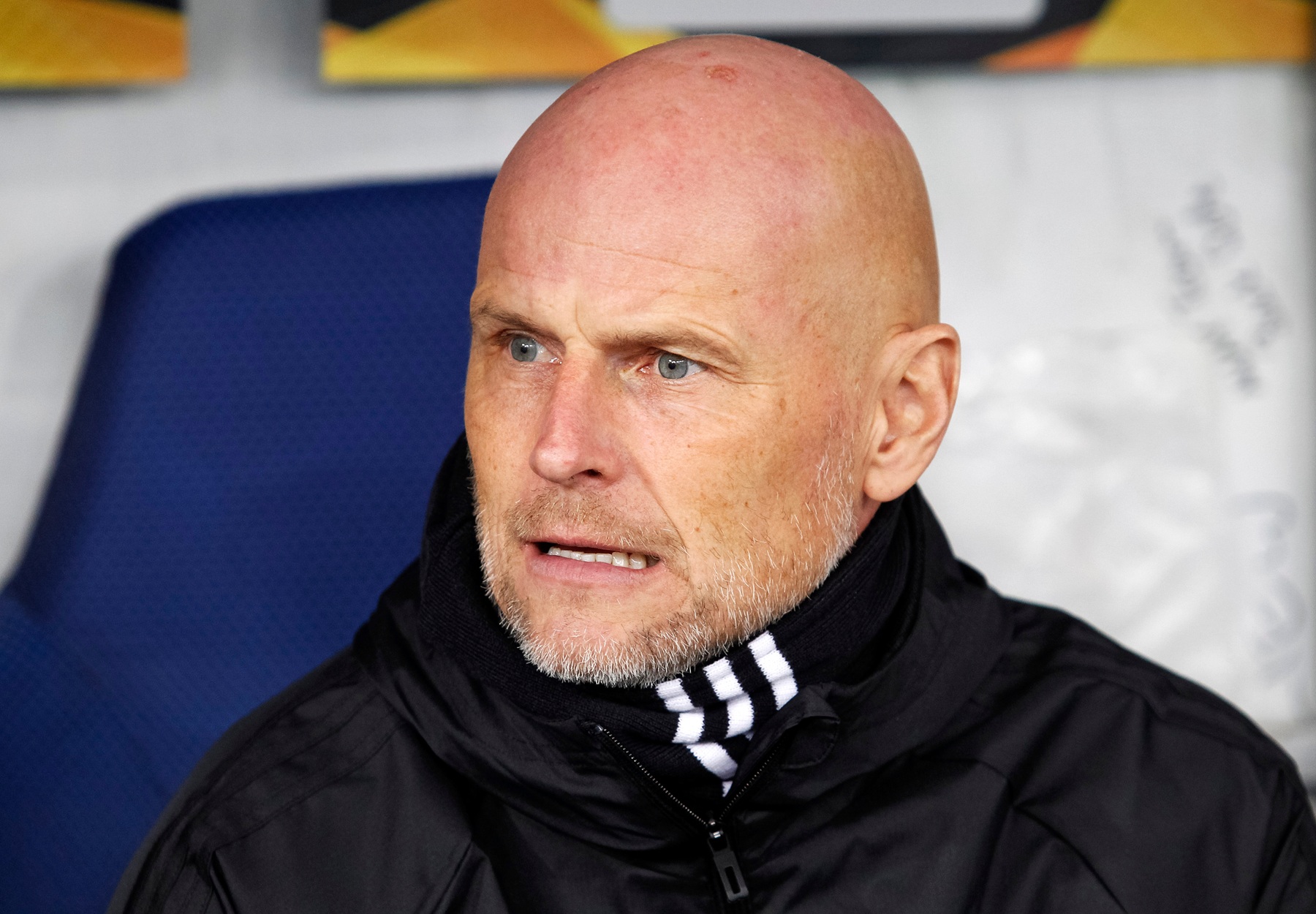
Ståle Solbakken had joined Wimbledon after the Norwegian takeover, although his spell in England never developed into the impact many had hoped for. Øyvind Leonhardsen had played for the club earlier in the 1990s, before the Røkke and Gjelsten deal, and should be seen more as part of Wimbledon’s earlier Norwegian connection than the later ownership-driven influx.
During the Drillo period and the years around it, names such as Trond Andersen, Tore Pedersen, Martin Andresen, Morten Bakke, Andreas Lund and Kjetil Wæhler became part of the wider Norwegian Wimbledon story.
Andreas Lund is particularly important. He arrived from Molde during the 1999/2000 relegation fight, a signing that linked the Premier League project even more strongly to Norwegian football. Lund was not just another squad addition. He was a Drillo-era signing brought in while Wimbledon were trying to avoid the drop.
Kjetil Wæhler also belongs in the story, but slightly differently. He was part of the wider Norwegian presence around the club and remained connected into the post-relegation period.
It is important not to exaggerate this into a full Norwegian takeover of the dressing room. Wimbledon did not become a Norwegian XI. But the influence was visible enough to matter.
For Norwegian fans, this made the club feel familiar. For English observers, it added to the sense that Wimbledon were being reshaped by an outside vision. For the club itself, it created an identity that was unusual even by Premier League standards.
Norwegian owners. A Norwegian manager. Norwegian players. A London club without a London home. It was a fascinating mix, but it was not a stable one.
Why the Drillo experiment failed
Egil Olsen’s spell at Wimbledon did not fail for one simple reason.
It failed because several problems met at the same time.
The first was timing. Olsen arrived when Wimbledon’s best years were behind them. The club’s Premier League survival machine had been running for years, but the parts were wearing out. The squad was no longer strong enough to keep defying gravity indefinitely.
The second was identity. Drillo seemed like a natural fit for Wimbledon’s direct style, but international football and club football are very different. With Norway, he could build a system around selected players and prepare for specific matches. At Wimbledon, he had to manage daily relationships, personalities, recruitment, morale and the constant grind of the Premier League.
The third was the stadium situation. A club without a proper home is always fighting something bigger than the next opponent. Selhurst Park never truly felt like Wimbledon’s home. That affected atmosphere, revenue and direction.
The fourth was the Premier League itself. By 1999/2000, English football was moving on. Money was growing. Squads were becoming more international. Technical standards were rising. Wimbledon’s traditional weapons were less frightening than they had once been.
The fifth was the dressing room. By the end of Olsen’s reign, relationships appeared strained. When a manager’s methods are not producing results, direct football can quickly be rebranded as outdated football. What looks brave when you win can look primitive when you lose.
That is what happened to Drillo at Wimbledon.
The logic behind the appointment was clear. The result was brutal.
Wimbledon’s Premier League relegation
The 1999/2000 season became the turning point.
Wimbledon struggled badly. The results did not come. The relegation fight became more desperate. Olsen was sacked before the season was over, and Terry Burton took charge for the final matches.
It was too late.
Wimbledon were relegated from the Premier League in 2000, ending their long stay in the top flight. For a club that had spent years turning survival into an art form, relegation felt like the final proof that the old magic had gone.
The symbolism was powerful.
The Norwegian-backed project had promised new ideas, international attention and fresh direction. Instead, it oversaw the end of Wimbledon’s Premier League life.
That does not mean Røkke, Gjelsten and Olsen alone caused relegation. The decline had been building for years. But in football, timing shapes memory. The Norwegian era became attached to the fall because it was there when the fall happened.
For Drillo, it was a rare and public failure. In Norway, he remained a football icon. At Wimbledon, he became part of a cautionary tale about how difficult it can be to transplant a successful national-team model into a struggling Premier League club.
For Wimbledon, relegation was not just a sporting setback. It made every other problem worse.
From Premier League dream to financial pressure
Once Wimbledon dropped out of the Premier League, the financial reality became even harsher.
Premier League television money was gone. Attendances were still a problem. The stadium issue remained unsolved. The club still lacked a permanent home. Wages had to be managed. Players had to be sold. Ambition gave way to survival.
This is where the Norwegian ownership story becomes less about football romance and more about business frustration.
Røkke and Gjelsten had bought into a Premier League club. Within a few years, they were dealing with a relegated club, lower revenue and no clear stadium solution. The asset they had hoped to develop had become a financial problem.
That is one of the most important points for the article: the Norwegian owners did not just watch a team lose matches. They watched the entire business case weaken.
Wimbledon’s identity had always been built on beating the odds. But beating the odds is harder when the financial structure collapses. The club could not rely forever on grit, spirit and awkward football.
The Norwegian influence had not saved Wimbledon. It had instead become part of a deeper decline.
How Milton Keynes entered the story
After relegation, the search for a permanent future became more urgent.
Wimbledon’s lack of a home had been a problem for years, but now it became existential. The club needed a stadium solution, more revenue and a sustainable business model. Supporters wanted the club back in its traditional area. Owners and executives looked at wider options.
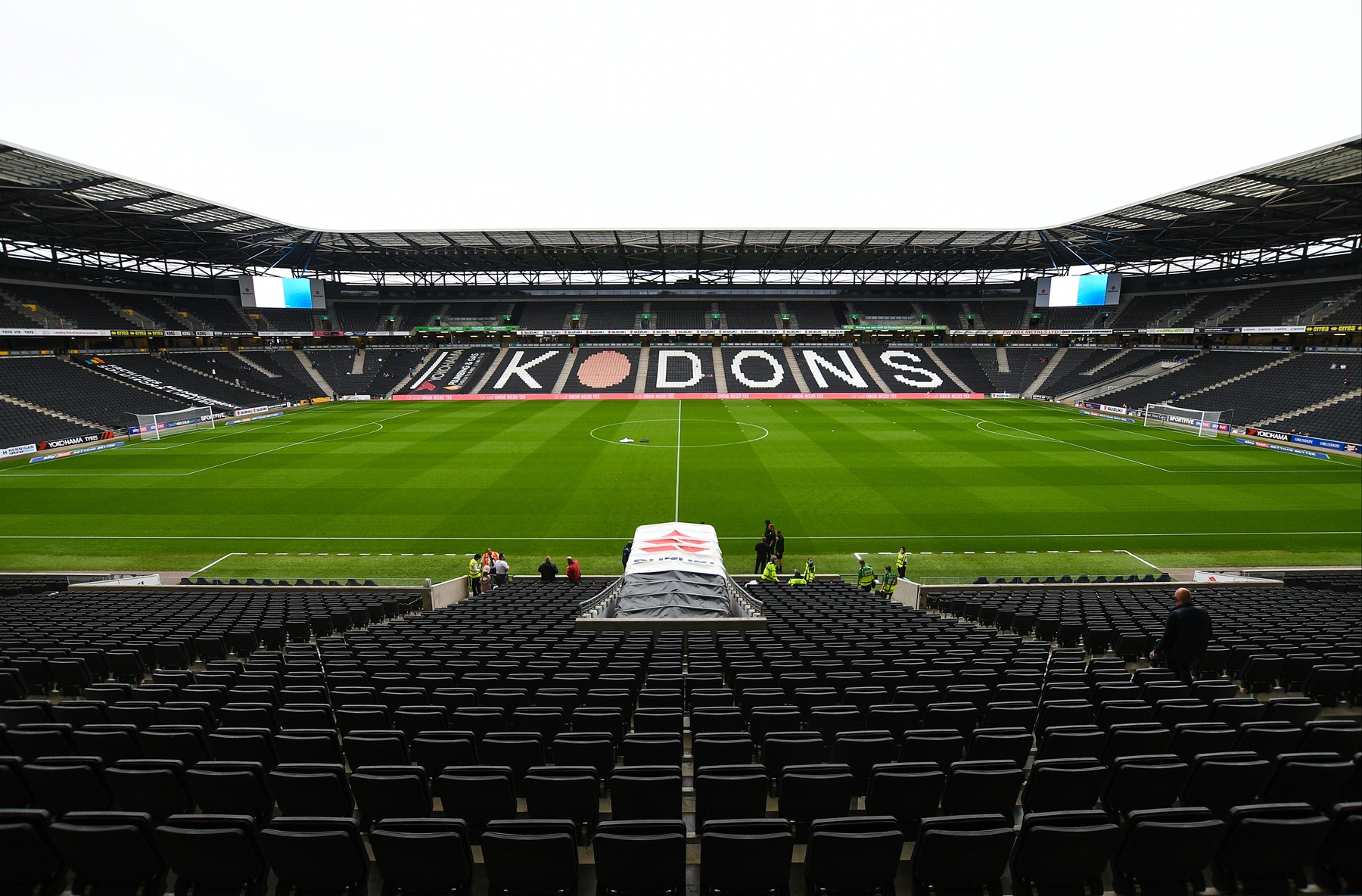
This is where Milton Keynes entered the story.
Charles Koppel, appointed chairman during the post-relegation period, became the public face of the plan to move Wimbledon to Milton Keynes. The proposal was explosive. It was not a simple move across town. It was a relocation away from the club’s community and history.
For many Wimbledon supporters, this was not modernisation. It was theft.
The move to Milton Keynes became one of the most controversial decisions in English football history. It raised questions that still matter today. What is a football club? Is it a business that can be moved to a more convenient location? Or is it a community institution rooted in place, memory and supporters?
The Norwegian ownership period is part of that chain of events, but it should be described carefully. Røkke and Gjelsten were not the only figures in the relocation story. The club’s problems pre-dated them, and the move involved other executives and interests.
But the timeline is clear: the Norwegian-backed era led into the post-relegation crisis, the Koppel chairmanship, the Milton Keynes plan and the supporter revolt that changed English football.
The supporters who refused to let Wimbledon die
The most powerful legacy of Wimbledon’s collapse was not MK Dons. It was AFC Wimbledon.
When supporters felt their club was being taken away, they created a new one. AFC Wimbledon was formed in 2002, giving fans a team that represented the identity they believed had been abandoned.
That act transformed the story.
Without AFC Wimbledon, the Norwegian ownership era might simply be remembered as a failed Premier League investment. With AFC Wimbledon, it becomes part of a much bigger football narrative: ownership, identity, community and resistance.
The fans’ response showed that a football club cannot be understood only through shares, stadium deals and league status. A club lives in its supporters. It lives in place. It lives in rituals, memories and local belonging.
Wimbledon FC had been famous for defying football logic on the pitch. AFC Wimbledon later defied football logic off it, rebuilding from the bottom and climbing back into the Football League.
That is why this story still matters.
The Norwegian owners bought into a club. The supporters believed they belonged to one.
Those are not always the same thing.
What the Norwegian Wimbledon story says about football ownership
The Norwegian ownership of Wimbledon is a warning about buying a club without fully solving the problems beneath the surface.
Røkke and Gjelsten bought Premier League status, but they also bought instability. They bought a famous name, but not a secure home. They bought a club with history, but not a settled future.
Their attempt to add Norwegian influence made the story more fascinating, but it did not fix the foundations. Drillo’s appointment was logical in football terms, but football logic could not overcome structural weakness. Norwegian signings added identity, but not enough quality or stability. The club’s problems were bigger than tactics.
That is what makes the story so compelling.
It was not simply a bad takeover. It was not simply a bad managerial appointment. It was not simply a failed transfer strategy. It was all of those things happening inside a club that had already lost its home and was slowly losing its place in English football.
For modern readers, there are obvious parallels. Foreign ownership is now normal in English football. Clubs are regularly discussed as assets, brands and investment opportunities. Stadiums, revenue streams and global growth often dominate the conversation.
But Wimbledon’s story is a reminder that football clubs are not normal businesses.
You can buy shares. You can change managers. You can sign players. You can appoint executives. But if the bond between club, place and supporters breaks, the damage can last for generations.
Why this remains one of the Premier League’s strangest stories
The Norwegian era at Wimbledon is one of the strangest chapters in Premier League history because it feels almost impossible to recreate.
A cult London club with no home. Norwegian billionaire owners. A World Cup manager known for direct football. A group of Norwegian players. Premier League relegation. A proposed move to Milton Keynes. A supporter-led rebirth.
It sounds like several different football stories forced into one.
That is why it deserves more attention.
For Norwegian football, it was a rare moment when one of the country’s biggest coaching figures and several Norwegian players became attached to an English top-flight club. For Wimbledon supporters, it was part of a painful period when their club drifted further from its roots. For Premier League history, it remains a case study in how quickly a club can fall when sporting decline and structural instability collide.
The tragedy is that the ingredients were fascinating.
Røkke and Gjelsten had ambition. Drillo had a clear football identity. Wimbledon had history and personality. Norwegian players gave the story a unique twist. There was enough there to imagine something memorable being built.
But the reality was different.
The club’s old identity was fading. The stadium issue was unresolved. The squad was not strong enough. The ownership project lost momentum. Relegation changed the finances. Relocation changed the soul of the story.
Final verdict: Norwegian ambition met a club already falling apart
The Norwegian ownership of Wimbledon FC was not just a failed foreign investment. It was a collision between Premier League ambition, Scandinavian football ideas, a homeless London club and supporters who refused to let their identity be moved.
Røkke and Gjelsten bought into one of English football’s great cult clubs. They tried to reshape it with money, Norwegian influence and a manager whose methods had made Norway a respected international force. Egil Olsen arrived with logic behind him, but not enough time, squad strength or structural stability to make it work.
The Norwegian players gave the era its flavour. The relegation gave it its defining sporting failure. The Milton Keynes saga gave it its lasting controversy. AFC Wimbledon gave it its emotional ending.
Looking back, the biggest lesson is clear.
Wimbledon were not destroyed by one manager, one signing or one decision. The club had been weakening for years. Leaving Plough Lane created a wound that never properly healed. The Norwegian era did not create every problem, but it became the period when those problems came together.
That is why the story still feels so powerful.