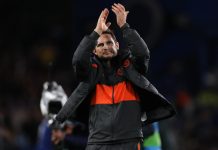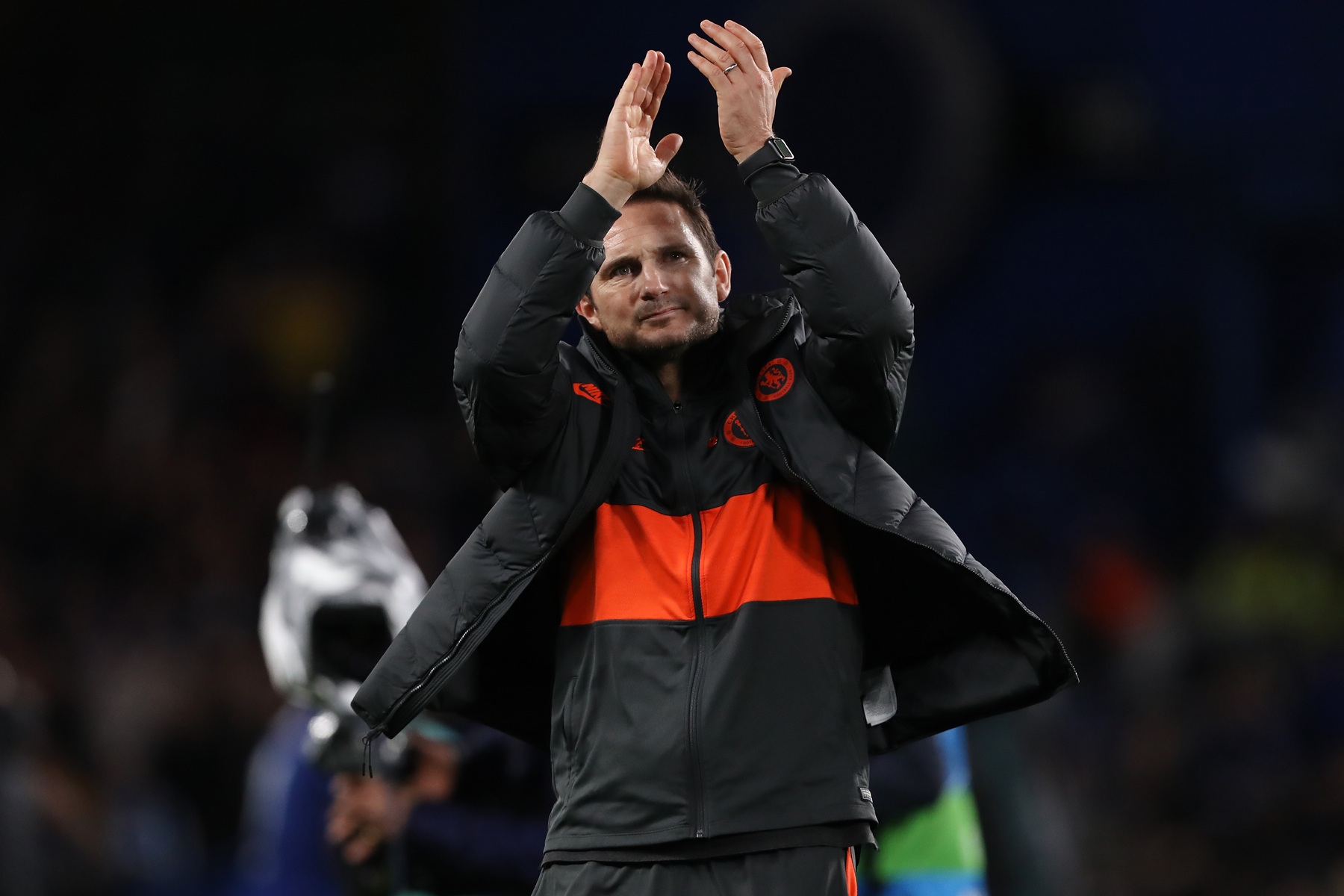
Frank Lampard did not simply get Coventry City promoted. He completed one of English football’s longest comeback stories.
The Sky Blues are back in the Premier League after 25 years away, but this is not just a promotion story. It is a story about relegation, financial pain, stadium chaos, angry supporters, exile, play-off heartbreak, Mark Robins’ rebuild and finally Lampard’s own managerial redemption.
When Coventry City walk out in the Premier League again, it will mean far more than three points and television money. It will mark the end of a journey that took the club from top-flight regulars to League Two, from Wembley glory to ground-share embarrassment, and from uncertainty to one of the most emotional promotions in recent Championship history.
Lampard arrived at Coventry with his own reputation under pressure. His spells at Derby County, Chelsea and Everton had created debate over whether he was a serious long-term manager or simply a famous former player still searching for his football identity from the touchline.
At Coventry, he found the right club at the right time. Or perhaps Coventry found the right manager at the right moment.
Coventry City Are Back In The Premier League After 25 Years
Coventry City’s Premier League return was sealed in dramatic fashion. A 1-1 draw away to Blackburn Rovers was enough to confirm promotion, with Bobby Thomas scoring the decisive late equaliser after Blackburn had threatened to delay the party.
It was not the clean, comfortable promotion-clinching performance supporters might have dreamed of. It was tense, emotional and imperfect. In that sense, it suited Coventry’s story perfectly.
This club has rarely done things the easy way.
The final whistle at Ewood Park released 25 years of frustration. Coventry had last played in the Premier League in the 2000/01 season. Since then, the Sky Blues had experienced almost every kind of footballing pain imaginable. There had been relegations, financial uncertainty, ownership disputes, stadium rows and years spent trying to climb back from the damage.
For a generation of Coventry fans, the Premier League had become something they remembered through old footage, old shirts and old stories. For younger supporters, it was something they had never properly experienced at all.
That is why this promotion was different. It was not just about Lampard, and it was not just about the current squad. It was about a club reclaiming part of its identity.
From Premier League Club To Football League Pain
To understand why Coventry City’s promotion matters, you have to understand what the club used to be.
Coventry were not always seen as outsiders. They spent decades in the top flight and were one of the clubs present when the Premier League era began in 1992. They had history, tradition and a place among English football’s established names.
The greatest day came in 1987, when Coventry won the FA Cup by beating Tottenham Hotspur in one of Wembley’s most memorable finals. That 3-2 victory remains one of the proudest moments in the club’s history and still defines a large part of Coventry’s football identity.
But after relegation from the Premier League in 2001, the fall was long and painful.
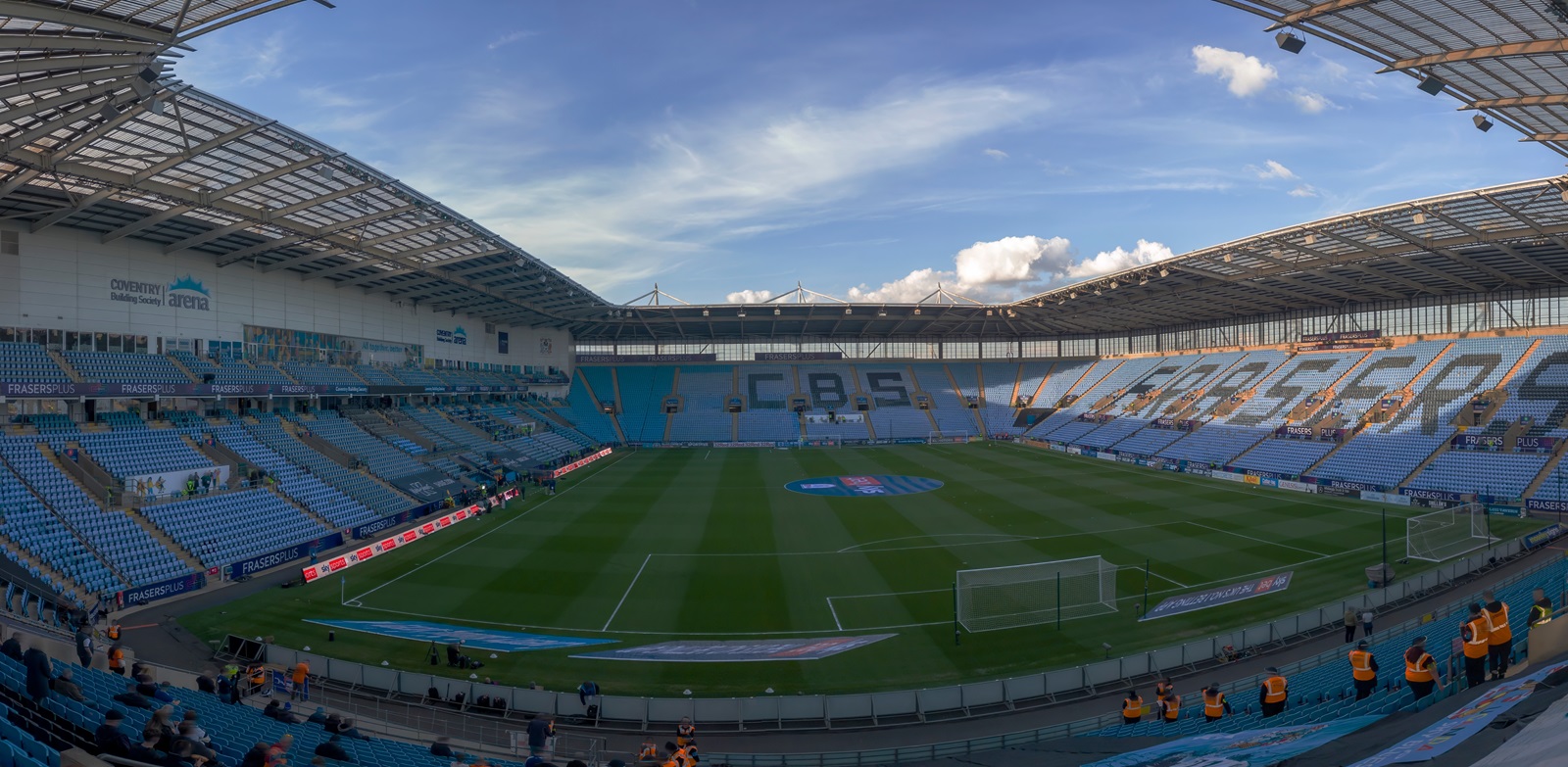
Coventry did not bounce straight back. Instead, the club became trapped in a downward spiral. Years in the Championship gave way to relegation to League One. Later came the even greater humiliation of dropping into League Two.
For supporters who had watched top-flight football at Highfield Road, it was brutal. Coventry were not just losing matches. They were losing status, stability and a sense of direction.
The stadium situation made things even worse. Supporters had to watch their club play home matches away from Coventry, including ground-share spells that damaged the relationship between fans, owners and the institution they loved.
That is why the Coventry City Premier League return in 2026 feels bigger than a normal promotion. It is the conclusion of a 25-year recovery mission.
Mark Robins Built The Road Back
Any honest feature on Frank Lampard’s Coventry City miracle must also give proper credit to Mark Robins.
Lampard delivered the final leap. Robins rebuilt the ladder.
When Robins returned to Coventry, the club was in a very different place. There was no glamour, no easy route back and no guarantee that the Sky Blues would ever return to serious relevance. Yet under his management, Coventry climbed from League Two to League One, then from League One to the Championship.
That climb was not just about promotions. It was about restoring standards. Coventry became competitive again. They found an identity. Supporters began to believe the club could move forward rather than simply survive another crisis.
The 2023 Championship play-off final defeat to Luton Town was painful, but it was also proof of how far Coventry had travelled. They were within a penalty shootout of the Premier League. For a club that had been in League Two only a few years earlier, that was remarkable.
Robins also took Coventry to an FA Cup semi-final, further reconnecting the club with big occasions and national attention.
So when Lampard arrived, he did not inherit a broken club in the old sense. He inherited a club with scars, but also foundations.
That is what makes the story so powerful. Lampard did not create Coventry’s comeback from nothing. He became the man who turned a long recovery into a final, glorious breakthrough.
Why Frank Lampard’s Appointment Was A Risk
When Coventry appointed Frank Lampard in November 2024, the reaction was not universally positive.
That is easy to forget now.
Robins had been a hugely important figure, and replacing him with Lampard felt risky. Coventry were 17th in the Championship when Lampard took charge. They were not heading towards promotion at that moment. They were drifting, and the club needed a jolt.
Lampard’s own managerial career was also under scrutiny. At Derby, he had shown promise but missed out on promotion. At Chelsea, he had given young players chances and initially built goodwill, but the job ultimately became too big too quickly. At Everton, he battled pressure, instability and relegation danger. His return to Chelsea as caretaker only added more criticism.
By the time he arrived at Coventry, Lampard was not seen as an obvious managerial success story. He was seen as a famous name with something to prove.
That made the appointment fascinating. Coventry needed direction. Lampard needed credibility. Both were looking for a reset.
In the end, that shared hunger became central to the story.
The First Turnaround: From 17th To The Play-Offs
Lampard’s first achievement at Coventry was not promotion. It was changing the mood.
Taking over a side sitting 17th in the Championship is very different from inheriting a team already chasing automatic promotion. Confidence was low. The season needed rescuing. The supporters needed proof that the new manager had a plan.
Lampard gave Coventry that.
During his first campaign, he pushed the Sky Blues up the table and into the play-off picture. They did not complete the job that season, losing in the play-offs, but the transformation mattered. Coventry had gone from mid-table uncertainty to genuine promotion contenders.
That first season was important because it changed the conversation around Lampard.
For the first time in a while, the focus was not on his name, his playing career or his previous failures. It was on the football his team were producing.
Coventry looked organised. They looked aggressive. They looked dangerous. More importantly, they looked like a club moving in one direction.
That set the stage for the 2025/26 season.
The Season Coventry Became A Championship Machine
The 2025/26 campaign turned Coventry from a good Championship side into the best team in the division.
This was not a lucky promotion. Coventry did not stumble into the Premier League through a late run or a chaotic play-off campaign. They won the Championship title and did it with authority.
Lampard’s side combined energy, directness and attacking quality. They scored heavily, created pressure and found different ways to win. Some promoted teams are built mainly on defensive structure. Coventry had that, but their real strength was the ability to hurt opponents.
They were one of the most exciting teams in the Championship, and their numbers backed it up. The Sky Blues finished as the division’s outstanding attacking side, scoring goals at a rate that made them extremely difficult to contain.
There were important moments along the way. Haji Wright’s influence in attack was huge. Bobby Thomas became part of club history with his promotion-clinching equaliser at Blackburn. Jack Rudoni, Ephron Mason-Clark, Victor Torp and others all played major roles in a squad that had more than one route to victory.
The title was confirmed in style with a 5-1 win over Portsmouth at the Coventry Building Society Arena. After years of instability and heartbreak, Coventry did not just go up. They went up as champions.
Frank Lampard’s Coventry Tactics: Why It Worked
One of the most interesting parts of Coventry’s promotion is that Lampard did not try to turn the team into a vanity project.
This was not a manager forcing a fashionable system onto a squad that did not suit it. Coventry were direct when they needed to be, aggressive without the ball and capable of playing with real speed in transition.
Lampard often used a 4-2-3-1 shape, but the success was not just about formation. It was about balance.
Coventry had runners. They had physicality. They had players willing to press, compete and attack space. They were strong from set-pieces and dangerous when matches became stretched. That made them a nightmare for Championship opponents.
Lampard’s team could play through midfield, but they were not obsessed with slow possession. They were happy to go forward quickly. They were happy to turn the game into a test of intensity. They were happy to make opponents uncomfortable.
That is important when looking ahead to the Premier League. Newly promoted teams often get into trouble when they arrive with an identity that only works when they dominate the ball. Coventry’s style may be better suited to survival because it already contains elements that can trouble stronger opponents: pace, set-pieces, direct attacks and emotional intensity.
The question is whether they can do it against better defenders, faster midfields and more clinical forwards.
The Players Who Turned Belief Into Promotion
Every promotion story needs heroes, and Coventry had plenty.
Haji Wright gave Lampard a focal point and a major attacking threat. His goals, movement and presence helped Coventry play with confidence in the final third. For a team chasing automatic promotion, having a forward who could decide matches was essential.
Bobby Thomas will forever be linked with the moment promotion was sealed. His late equaliser at Blackburn was more than a goal. It was the moment 25 years of waiting finally broke.
Jack Rudoni offered creativity and delivery. In a team that carried so much threat from set-pieces and attacking transitions, his quality was vital.
Ephron Mason-Clark added speed and final-third danger. Victor Torp gave Coventry technical quality and important contributions at key moments.
Then there is Frank Onyeka, whose permanent move from Brentford added an early sign that Coventry are serious about preparing for the Premier League. He brings top-flight experience, energy and defensive bite — exactly the kind of profile newly promoted sides often need.
Coventry will need more signings. Lampard will know that. But the foundation of the squad already has something powerful: belief built through winning.
Lampard’s Managerial Redemption
This promotion also changes the way Frank Lampard is viewed as a manager.
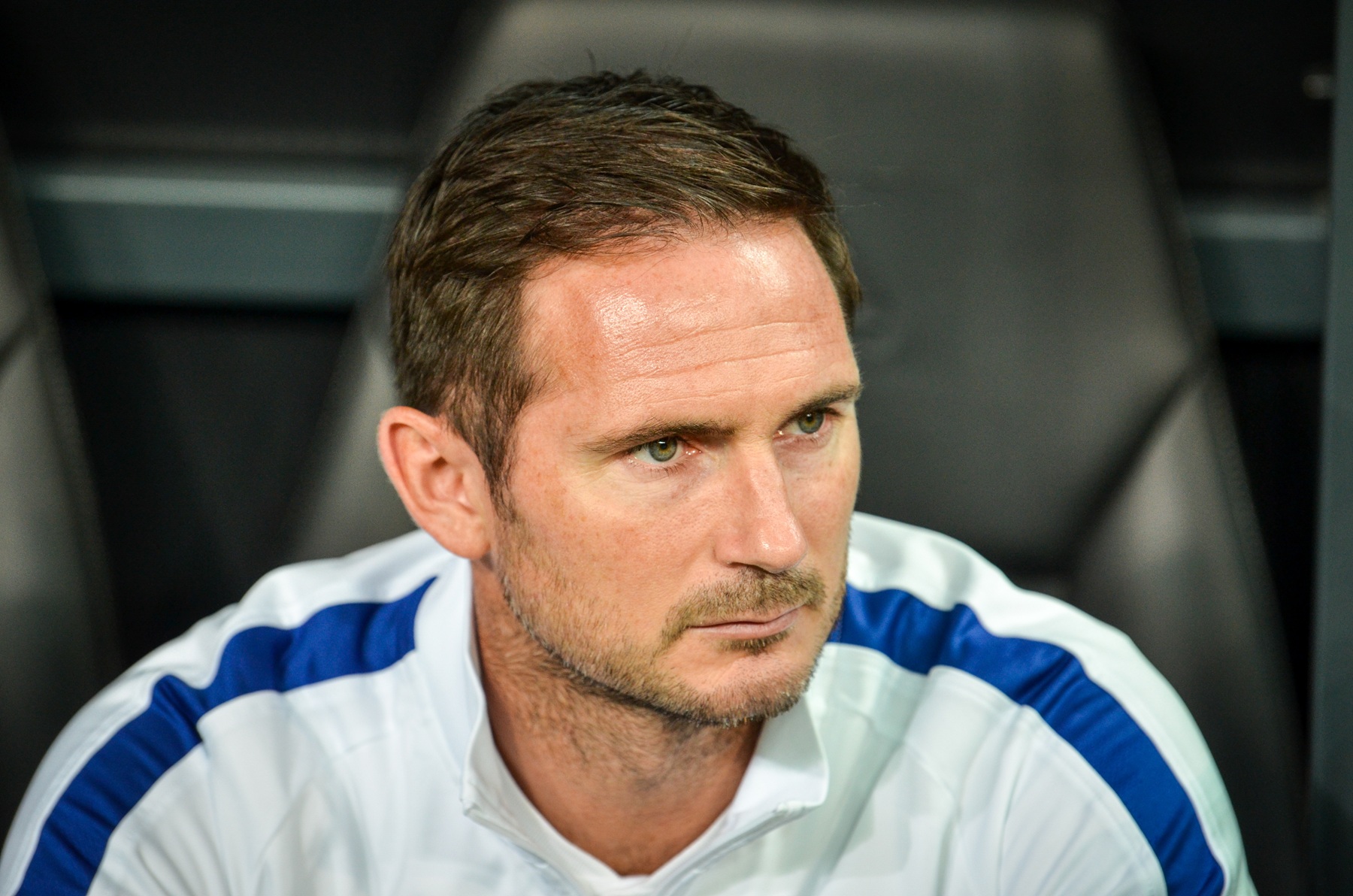
Before Coventry, the debate around Lampard was often framed around failure. Had he been given big jobs too soon? Was he more reputation than coaching substance? Could he build a long-term project away from the noise of elite-level expectation?
Coventry has given him the best answer.
He has not won promotion with a club expected to dominate the Championship. He has done it with a club carrying emotional weight, recent instability and a long top-flight absence. He has taken a job that could easily have damaged him further and turned it into the strongest achievement of his managerial career.
That does not mean every question is answered. The Premier League will be a different test. Survival is not guaranteed. Coventry will face weeks where they have less of the ball, fewer chances and smaller margins.
But Lampard now has something he badly needed: proof.
He has proved he can improve a team. He has proved he can handle pressure outside the Chelsea spotlight. He has proved he can connect with a club and deliver something historic.
That is why his new contract until 2029 is so significant. Coventry are not treating him as a short-term promotion manager. They are trusting him as the man to lead the next chapter.
Why The Premier League Return Starts With A Perfect Test
Coventry’s first Premier League fixture back could hardly be more symbolic: Arsenal away.
After 25 years outside the top flight, the Sky Blues return against the champions. It is the kind of fixture that shows exactly how far the club has come and how difficult the next step will be.
There is something poetic about it. Coventry’s promotion was sealed at Blackburn, on a night of nerves and emotion. Their Premier League return begins on one of the biggest stages in English football.
That is the challenge now. Promotion was the miracle. Survival is the mission.
Lampard and Coventry will know that sentiment will not keep them in the Premier League. The squad needs strengthening. The defence will be tested. The midfield will have to cope with better technical players. The forwards will need to take chances when they come.
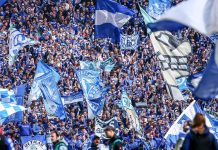
But Coventry do not arrive as a club with nothing behind them. They arrive with momentum, identity and a fanbase that has waited far too long for this.
Coventry’s Miracle Was 25 Years In The Making
Frank Lampard’s Coventry City miracle is not just the story of one manager and one season.
It is the story of a club that fell further than anyone expected, suffered more than its supporters deserved and still found a way back. It is the story of Mark Robins rebuilding pride, the fans refusing to let the club’s identity disappear, and Lampard turning potential into promotion.
Coventry’s Premier League return is powerful because it feels earned. This was not a shortcut. This was not a billionaire project racing past everyone else. This was a long, painful climb.
From the 1987 FA Cup glory to Premier League founding-member status, from relegation in 2001 to League Two, from stadium exile to the Championship title, Coventry City have lived several football lives in one generation.
Now they are back.
Lampard did not simply get Coventry promoted. He completed one of English football’s longest comeback stories and, in the process, rebuilt his own managerial reputation.
The Premier League will be brutal. Arsenal away will be a reminder of the level Coventry have returned to. But after everything this club has survived, the first whistle of that opening game will already feel like victory.
For Coventry City, the miracle is not only that they reached the Premier League again.
The miracle is that after 25 years of pain, chaos, anger, loyalty and belief, the Sky Blues finally found their way home.