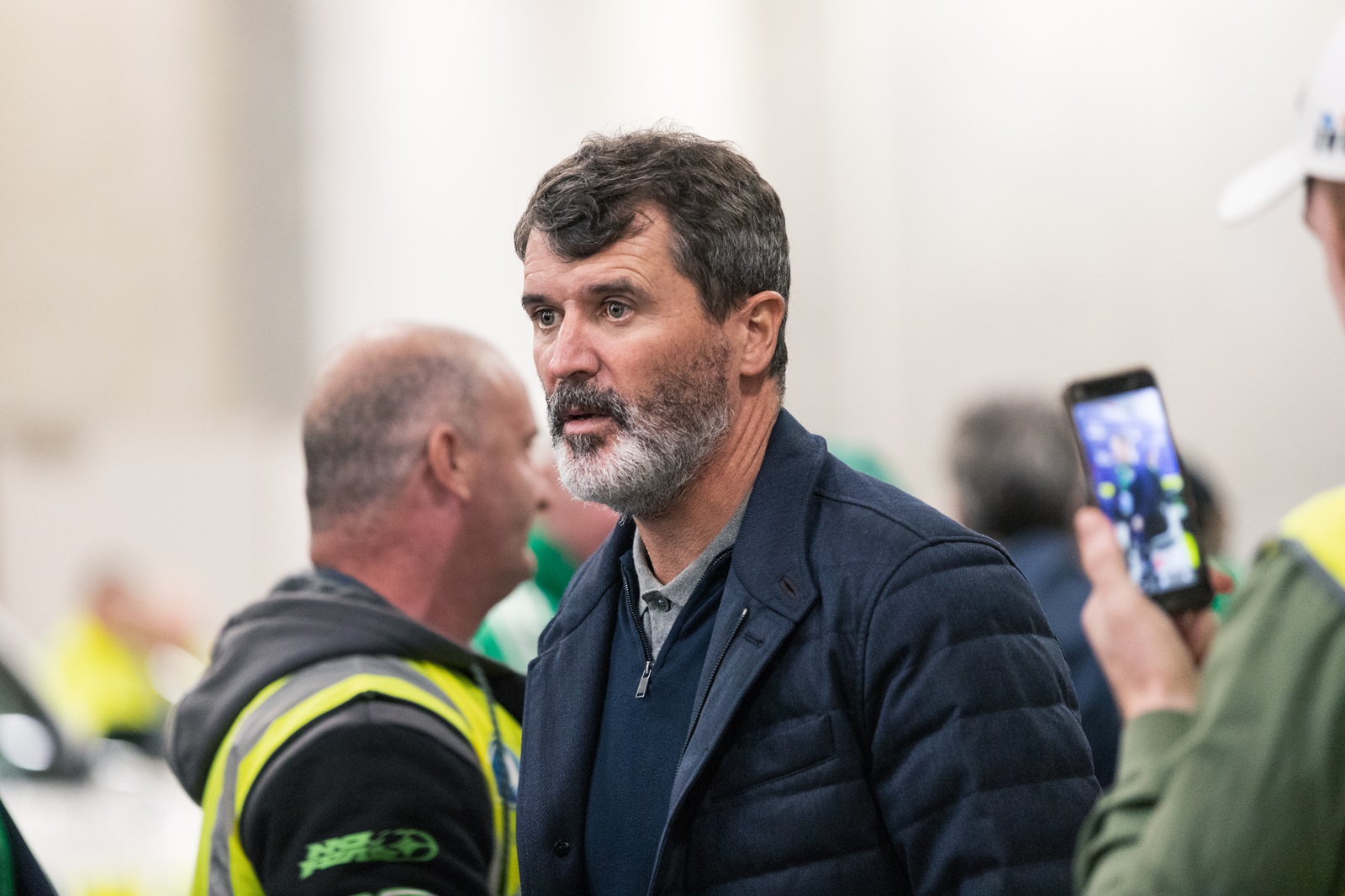
Roy Keane looked like he was built for management. That is what makes his coaching career so fascinating, and slightly confusing.
As a player, he was everything supporters think they want from a manager. Demanding. Ruthless. Brave. Intelligent. Obsessed with standards. A serial winner who captained Manchester United through one of the most successful eras in English football.
Yet almost 15 years after his last permanent job, the Roy Keane managerial career remains more of a debate than a legacy.
The simple answer is not that Keane was a bad manager. That would be lazy. He won the Championship with Sunderland in 2007, dragging a broken club from a dreadful start to promotion in his first season. That achievement still deserves respect. It showed that Keane could organise, inspire and change the mood of a dressing room quickly.
But the bigger question is why Roy Keane never became the top manager so many expected him to become. The answer is probably that Keane’s greatest strength was also his biggest weakness.
He could lift standards instantly. He could not sustain that method over time.
Why Roy Keane Looked Destined To Become A Manager
Keane’s management style was always going to be intense. He had spent his playing career judging team-mates by the brutal standards he set for himself. At Manchester United, that made him a legendary captain. In a dressing room full of elite players, surrounded by Sir Alex Ferguson’s authority and structure, Keane’s fire was part of a winning machine.
But being a manager is different. A captain can demand. A manager has to develop. A captain can confront. A manager has to persuade. A captain can live off emotion. A manager needs a long-term plan.
That is where Keane’s managerial career started to look limited.
Sunderland Showed Roy Keane Could Manage
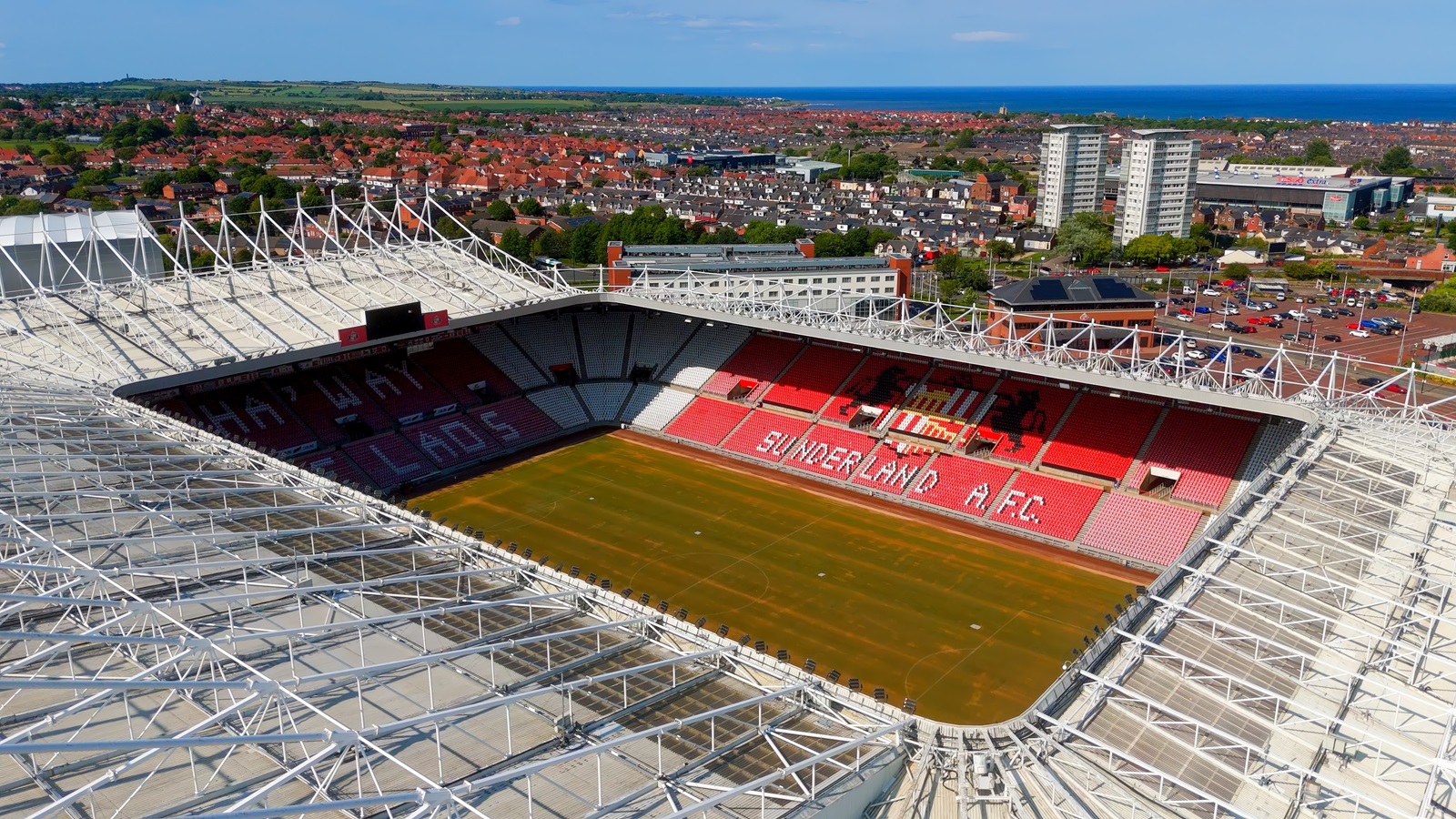
Sunderland was the perfect first job for him. The club needed shock therapy. It needed energy, discipline and belief. Keane arrived with an aura that few Championship players could ignore. Suddenly, Sunderland mattered again. The players had to raise themselves. The supporters bought into it. The club surged upwards.
For a short spell, it looked like Keane had cracked management.
But short-term impact is not the same as long-term construction. The best modern managers do not just raise the temperature. They build systems. They improve players gradually. They work with recruitment departments, analysts, owners, agents and media teams. They control the dressing room, but they also manage upwards and sideways.
Keane never truly showed that he could do all of that over a sustained period.
Ipswich Exposed The Limits Of Roy Keane’s Management Style
His time at Ipswich Town is the part of the story that hurts his managerial reputation most. After Sunderland, he had enough status to get another serious Championship job. But Ipswich did not become a promotion machine under him. They became inconsistent, tense and underwhelming.
When he left, the sense was not that a great project had been cut short. It was that the project had never really started.
That matters when judging why Roy Keane failed as a manager. Sunderland showed what he could do when a club needed an emotional reset. Ipswich showed what happened when emotion was not enough.
Why Roy Keane’s Standards Became A Problem
Keane’s biggest issue may have been adaptability. His standards were not the problem. Football clubs need standards. Players need honesty. Dressing rooms need leaders who will not accept laziness. But the delivery matters.
Not every player responds to confrontation. Not every young footballer improves because they feel judged. Some players need clarity. Some need confidence. Some need patience. Some need an arm around the shoulder before they can handle the kick up the backside.
Keane often sounded like a man who believed football should bend towards his values. Modern management requires the opposite. The manager has to understand the footballer in front of him.
That does not mean players today are soft. It means the job has changed.
Modern Football May Have Moved Past The Roy Keane Model
The Roy Keane pundit persona has also worked against him. On television, he is box office because he is blunt, funny, impatient and brutally honest. But those same qualities can make club owners nervous.
Would he work smoothly with a sporting director? Would he accept a transfer structure? Would he tolerate modern dressing-room politics? Would he deal calmly with players earning fortunes while delivering average performances?
Maybe. But the public version of Keane makes the risk look bigger.
Modern clubs want more than authority. They want tactical identity. They want emotional intelligence. They want coaches who can develop young players, work with data, handle recruitment plans and fit into a wider club structure.
Keane’s football knowledge should not be questioned. But his managerial profile has never fully matched what modern clubs are looking for.
Does Roy Keane Even Want To Be A Manager Again?
There is also the question of whether Keane really wants it badly enough anymore. He has had chances to return to football, but not on terms that convinced him. That is understandable. Management is stressful, unstable and often thankless.
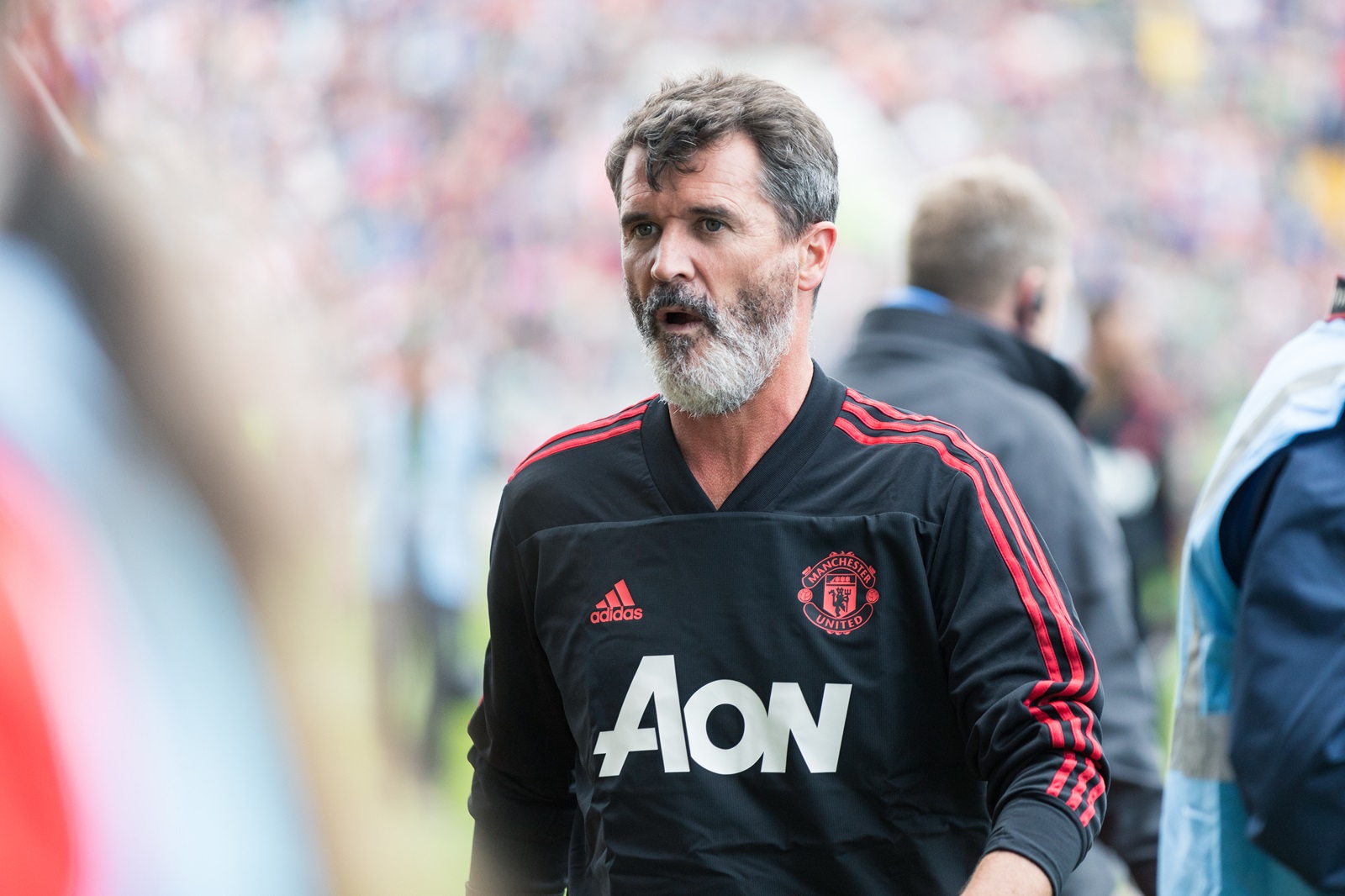
Punditry gives him influence, profile and probably a better lifestyle. The longer he stays away from the dugout, the harder it becomes to imagine him returning to it.
That is another reason the Roy Keane manager debate continues. It is not just that clubs may doubt him. It is that Keane may also doubt whether the modern job is worth the compromise.
Why Roy Keane Has Never Made It As A Manager
The tragedy, if that is not too strong a word, is that Keane clearly has football intelligence. Nobody plays under Brian Clough, Sir Alex Ferguson and in elite European football without understanding the game. Nobody captains Manchester United like he did without leadership. Nobody wins promotion at Sunderland by accident.
But management requires more than authority. It requires flexibility, emotional control, tactical identity, recruitment alignment and political skill. Keane had the authority. He never proved he had enough of the rest.
That is why Roy Keane has never made it as a manager. Not because he lacked standards, but because standards alone are not a football philosophy. Not because he lacked courage, but because management is not just about confrontation. And not because he did not understand winning, but because knowing how to win as a player is very different from teaching others how to win as a manager.
Roy Keane was built to lead a dressing room.
He was never quite built to manage an entire football club.