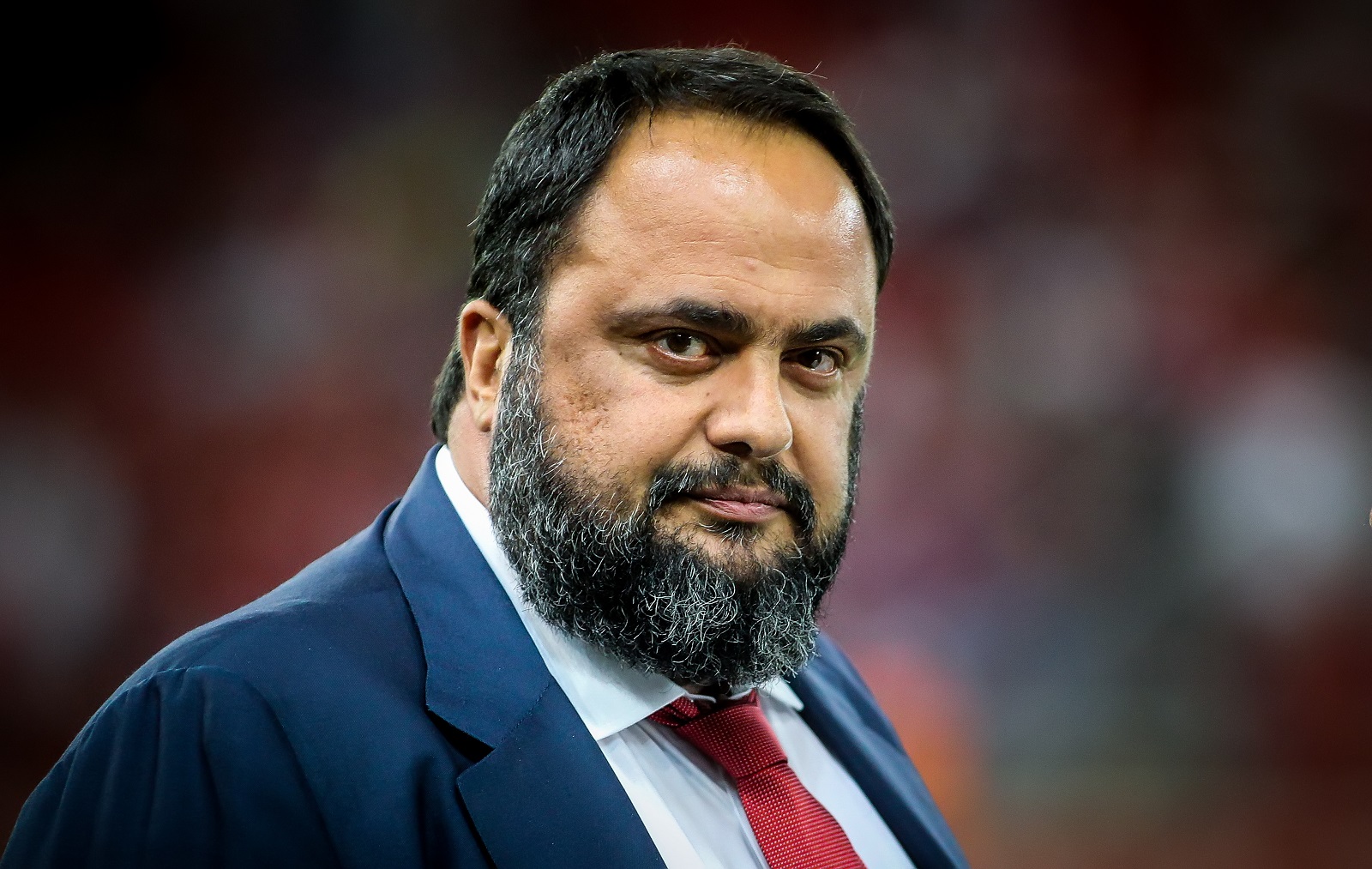
Evangelos Marinakis has never been a Nottingham Forest owner who thinks small.
From the moment the Greek businessman arrived at the City Ground, the language around Forest changed. Survival was not enough. Promotion was not enough. A return to the Premier League was not the finish line. Marinakis wanted Nottingham Forest to behave like a major club again.
In some ways, that ambition has already transformed the club.
Forest are no longer a Championship name trading on old European memories. They are a Premier League club again. They have been back in Europe. They have spent serious money, attracted international players, sold stars for huge fees and spoken openly about competing with the biggest clubs in English football.
But that is only one side of the story.
The other side is messier. Managerial changes. Financial rule breaches. UEFA scrutiny. PSR pressure. Squad churn. Big calls made quickly. Emotional ownership. A club trying to move fast in a league that punishes mistakes brutally.
That is why the next phase of the Evangelos Marinakis Nottingham Forest project is so important. The question is no longer whether he has ambition. That has never been in doubt.
The real question is whether ambition can finally become stability.
Nottingham Forest Are Not A Normal Premier League Project
Nottingham Forest are not just another club trying to establish themselves in the Premier League.
This is a club with history that still hangs over every modern decision. Forest have won the European Cup twice. They have a Brian Clough legacy that gives them a place in football mythology. They have a fanbase that does not see the club as small, even after years outside the top flight.
That history matters.
For some clubs, finishing 16th in the Premier League is simply survival. For Forest, it can feel like both progress and frustration at the same time. The club spent more than two decades away from the top division, but the memory of what Forest once were has never disappeared.
That is part of the challenge for Marinakis. He is not just running a football club. He is trying to restore a historic name to relevance in the richest and most competitive league in the world.
The problem is that modern Premier League football does not reward nostalgia. Forest’s two European Cups are part of the club’s soul, but they do not sign players, increase revenue or guarantee league points.
To reach the next level, Nottingham Forest need more than romantic ambition. They need structure.
What Marinakis Has Already Changed At Nottingham Forest
It would be unfair to discuss Forest’s problems without recognising how far the club has come under Marinakis.
When he took control, Nottingham Forest were not close to where they are now. They were a famous club stuck outside the Premier League, living with the weight of past glory and the frustration of repeated failed rebuilds.
Under his ownership, Forest eventually found their way back. Promotion in 2022 changed the scale of the club’s possibilities. Premier League status brought money, exposure and relevance. It also brought pressure.
Marinakis did not bring Forest back to the top flight just to survive quietly. He funded a major squad rebuild and backed managers with significant investment. Forest became aggressive in the transfer market, sometimes too aggressive, but always with the same message: the club was not here to make up the numbers.
That approach has created memorable highs. Forest returned to European competition. They became a club capable of attracting attention beyond England. Players who might once have ignored the City Ground began to see it as a place where careers could grow.
The £116m agreement for Elliot Anderson to join Manchester City underlines that change. Whether supporters see it as painful, smart or inevitable, it shows Forest have become a club that can develop or platform players with elite-level value.
That is a different Nottingham Forest from the one Marinakis inherited.
The Next Level Is Not Just Spending More Money
For Nottingham Forest, “the next level” cannot simply mean buying more players.
That might have worked to get the club moving quickly, but the rules of modern football are changing. Premier League PSR has already hurt Forest before, and UEFA’s squad cost rules have now added another layer of pressure.
Forest have been fined by UEFA for breaching financial sustainability regulations, specifically the squad cost rule. That matters because it tells the club something important: the old approach has limits.
Marinakis can be ambitious. He can be wealthy. He can be willing to invest. But Forest cannot simply spend their way into Europe every season without consequences.
This is where the project has to mature.
The next stage must be about smarter recruitment, stronger revenue, better player trading and fewer mistakes. Forest need to become a club that can sell well without weakening itself badly. They need to sign players before they become expensive, not only after everyone else has noticed them. They need to keep wages under control while still improving quality.
That is much easier to write than to do.
But it is exactly what separates stable Premier League clubs from chaotic ambitious ones.
The Elliot Anderson Question Shows The New Reality
The Elliot Anderson move to Manchester City is a perfect example of where Nottingham Forest now stand.
On one level, losing a player of that quality hurts. Anderson became a symbol of Forest’s rise, a midfielder good enough to attract elite interest and force his way into the England conversation. Selling that kind of player can feel like a step backwards.
But on another level, this is what ambitious modern clubs often have to do.
Brighton have made it part of their model. Aston Villa have had to think carefully around PSR. Newcastle have sold players under financial pressure. Even clubs with wealthy owners now have to balance ambition with regulation.
If Forest receive a huge fee and reinvest it properly, the Anderson sale could become a turning point. It could fund multiple smart signings. It could improve the squad in several areas. It could help the club stay compliant while continuing to grow.
But if the money is spent badly, it becomes another warning sign.
That is why this summer and the next few transfer windows are so important. Forest no longer need to prove they can spend. They need to prove they can build.
City Ground Redevelopment Could Be The Real Game-Changer
If Marinakis wants Nottingham Forest to become a regular European-level club, the City Ground matters almost as much as the transfer market.
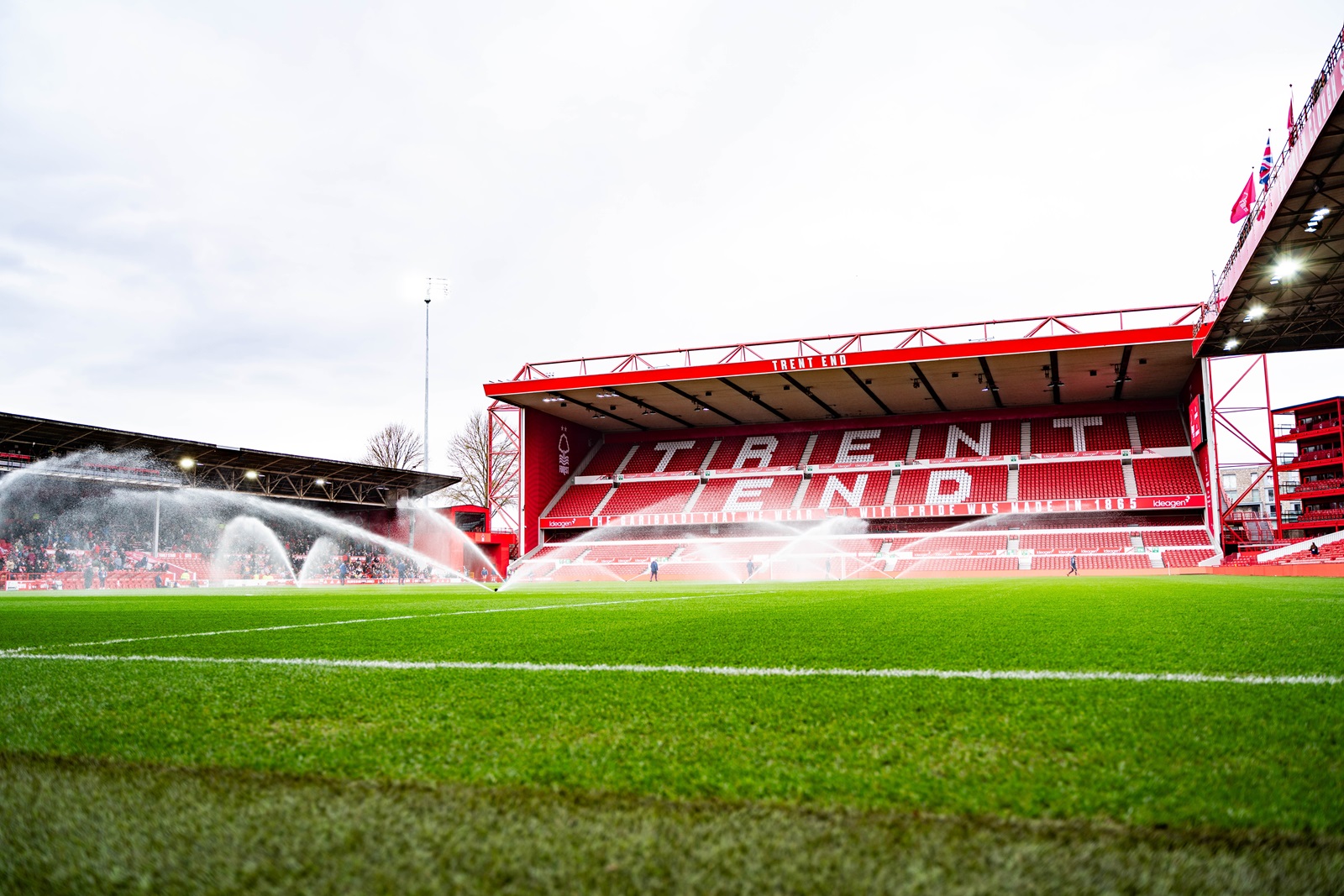
A bigger, modernised City Ground would not just be about extra seats. It would be about matchday revenue, hospitality, commercial growth and long-term status. Forest have submitted redevelopment plans with the ambition of increasing capacity beyond 50,000, and that tells you how big Marinakis wants the club to become.
This is one of the most important parts of the Nottingham Forest future.
A club can have ambition on the pitch, but without increased revenue it becomes difficult to sustain. The Premier League’s financial rules and UEFA’s squad cost restrictions make income growth essential. The more money Forest can generate naturally, the more flexibility they will have to build a stronger squad.
The City Ground is also emotional. Many clubs lose something when they modernise. Forest cannot afford to do that. The stadium is part of the club’s identity. It sits on the banks of the Trent and carries decades of memory, pride and pain.
The challenge is to modernise without sanitising.
If Forest get it right, the redeveloped City Ground could become the physical symbol of the Marinakis era: bigger, louder, more ambitious and still unmistakably Forest.
Managerial Stability Is The Biggest Question
The biggest concern around Nottingham Forest under Marinakis is not ambition. It is stability.
Forest’s managerial churn has often made the club feel more reactive than strategic. Vitor Pereira becoming the fourth permanent manager of the 2025/26 season was not just a football decision. It was a warning sign.
No serious club can build long-term success if the manager’s office feels temporary.
That does not mean every sacking is wrong. Football is ruthless, and poor results demand action. Marinakis is not the first owner to change managers quickly, and he will not be the last. But when changes become too frequent, they create other problems.
Players lose clarity. Recruitment becomes confused. Tactical identities disappear. Supporters struggle to understand the plan. Every bad run turns into a crisis.
This is where Marinakis has to evolve as an owner.
Forest need a manager who is trusted through difficult periods, not just backed when the results are good. They need a football structure that survives beyond one head coach. They need recruitment, data, academy planning and first-team tactics to connect.
The next level is not possible if the club keeps restarting.
Forest Must Decide What Kind Of Club They Want To Be
The most important question for Nottingham Forest is simple: what kind of club are they trying to become?
Do they want to be a high-spending disruptor? A player-trading club? A European contender? A top-half Premier League side? A multi-club network hub? A modernised version of their historic self?
The answer cannot be “all of it” without a plan.
Forest’s history naturally creates big dreams. Marinakis’ personality adds fuel to those dreams. The fanbase wants ambition and deserves ambition after everything it endured before promotion.
But ambition needs definition.
If the target is regular European football, then Forest need a squad built for Thursday-Sunday demands. They need depth, experience and better injury management. If the target is top-half consistency, they need fewer boom-and-bust transfer windows. If the target is to become a genuine challenger to the Premier League’s bigger clubs, they need revenue growth and elite recruitment.
The next level is not one big jump. It is a series of disciplined steps.
Marinakis’ Strength Is Also His Weakness
The fascinating thing about Evangelos Marinakis is that the qualities which have lifted Forest are also the qualities that can hold them back.
His passion has given the club energy. His impatience has pushed standards. His financial backing has changed expectations. His refusal to accept mediocrity has dragged Forest out of the mindset of a sleeping giant.
But passion can become volatility. Impatience can become instability. Financial backing can become financial pressure. Big standards can become constant tension.
That is the balance Marinakis now has to find.
Forest supporters do not want a passive owner. They have seen enough of that in the past. They want ambition. They want investment. They want someone who believes Nottingham Forest can be big again.
But the best owners learn when to push and when to protect. They know when to act and when to hold their nerve. They understand that football clubs are not built by emotion alone.
Marinakis has already proved he can take Forest forward. Now he has to prove he can make that progress sustainable.
The Brian Clough Shadow Still Matters
Every Nottingham Forest owner lives with the Brian Clough shadow.
That is not always fair, but it is unavoidable. Clough turned Forest into European champions. He created a story so unlikely that it still shapes the club’s identity decades later. No modern owner or manager can recreate that exact miracle.
But they can learn from what made it possible.
Clough’s Forest had clarity. They had belief. They had a team greater than the sum of its parts. They had a manager and club moving in the same direction. They had personality, but also structure. They had stars, but not just stars.
That is the lesson for the Marinakis era.
Forest do not need to chase the past by pretending football is still the same. They need to honour the past by building something clear, brave and connected.
The European Cups are not a roadmap. But they are a reminder of what Forest can feel like when everything aligns.
Can Nottingham Forest Become A Regular European Club?
So, can Evangelos Marinakis take Nottingham Forest to the next level?
Yes, but not if the next level is treated as a spending race.
Forest have the ingredients to grow. They have a powerful fanbase, a historic name, a wealthy and ambitious owner, a stadium plan, Premier League status and a recent taste of Europe. They also have proof that smart player trading can create huge value.
But they also have problems that cannot be ignored. Managerial instability has damaged momentum. Financial rules have reduced room for error. The squad still needs balance. The club’s identity under must become clearer.
Regular European football is possible, but it will require a different kind of ambition from the one that got Forest here.
The next stage must be calmer. Smarter. More disciplined. Less emotional.
That does not mean Marinakis has to stop being Marinakis. His ambition is part of why Forest are relevant again. But if Nottingham Forest are going to move from exciting project to established force, the club needs ambition with a framework.
Ambition Has Taken Forest This Far. Stability Must Take Them Further
Evangelos Marinakis has changed Nottingham Forest.
That much is clear.
He has brought the club back to the Premier League conversation, restored belief, funded big moves and refused to let Forest think like a small club. For supporters who remember years of drift, that matters.
But the next level is always harder than the comeback.
Getting promoted was one challenge. Surviving was another. Returning to Europe was another. Now comes the hardest part: staying there, growing revenue, obeying financial rules, keeping a manager long enough to build, and turning big transfer decisions into long-term progress.
That is the real test of the Marinakis era.
Nottingham Forest have already rediscovered ambition. They have already reminded English football that they are not just a museum piece from the Brian Clough years.
Now they need something even more valuable.
They need stability. If Marinakis can deliver that, Forest may finally become what he has always wanted them to be: not just a club with a glorious past, but a Premier League force with a serious future.